



Here’s a transcript of the video:
I want to tell you about the first time I fell in love—and the amazing connection we shared that I didn’t fully realize until years later.
I was living in Charleston at the time. It was 1970, and I had rented an apartment at the house of Elizabeth O’Neill Verner, who was a very famous artist—or at least in Charleston. She was an older woman who sold her work out of the house itself, so customers and tourists would come in to see her paintings. I was living in her attic apartment, but I would come down to the ground floor, where all the drawings and paintings were, and hang out. It was just a fun place to be.
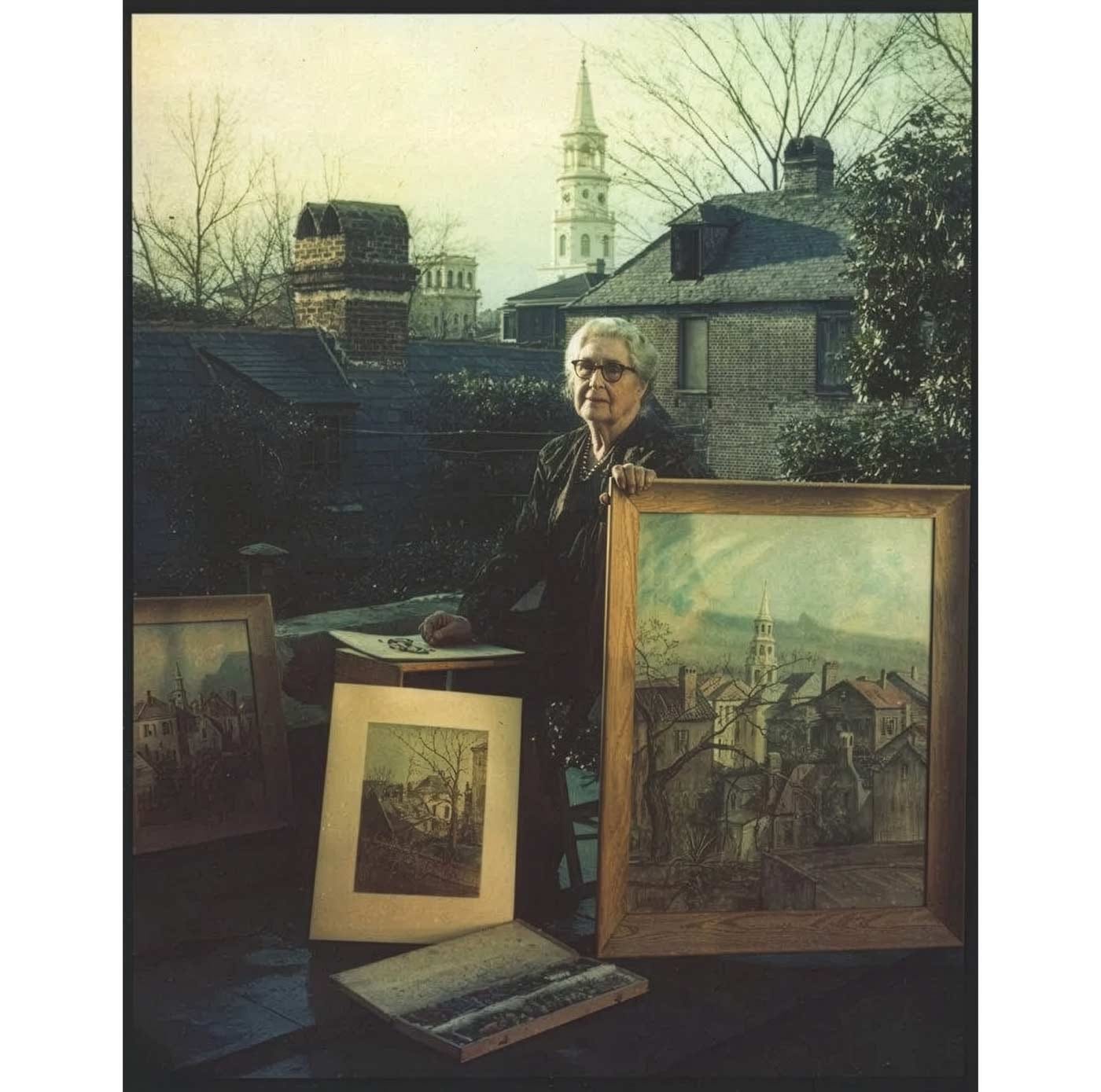
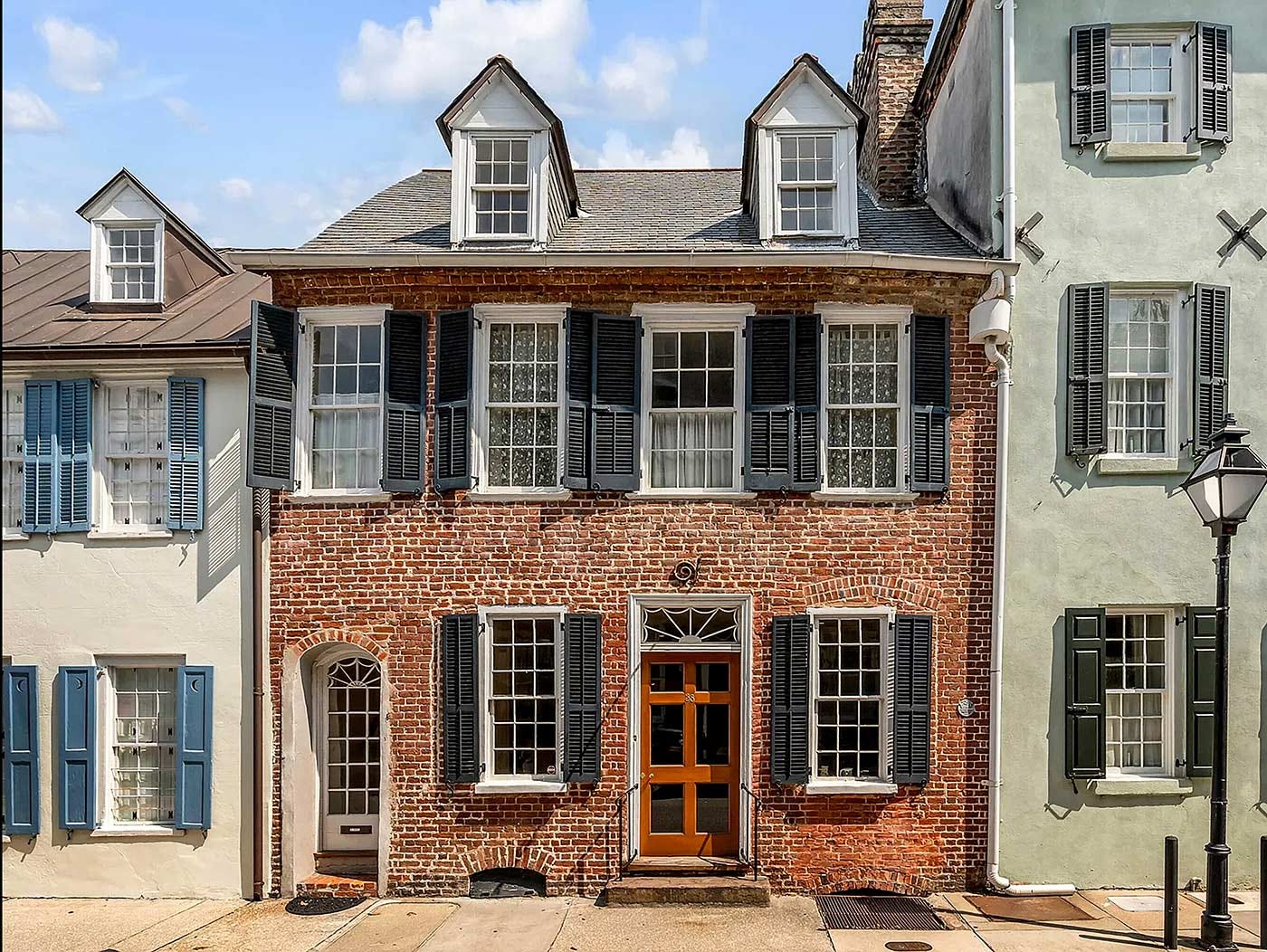
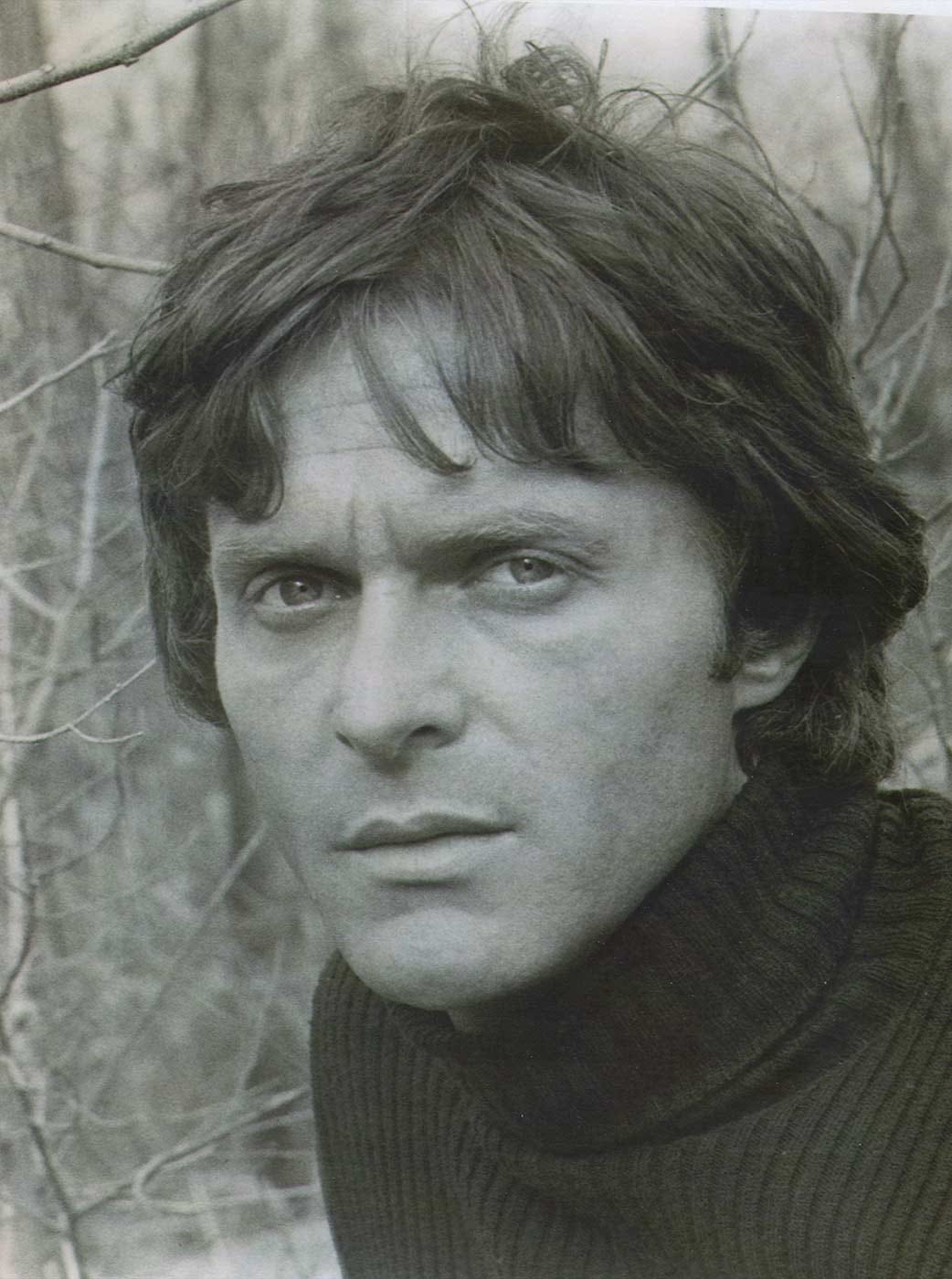
One day I was down there, and in came a couple—a man and a woman. She was a striking brunette, and he was a beautiful blond. I couldn’t take my eyes off them. I chatted them up—their names were Curt Dawson and Barbara Caruso. I tell you this because they became permanent parts of my life in ways I didn’t expect.
Curt Dawson had the most romantic name I’d ever heard. It sounded like something out of the Old West—Curt Dawson. And he was gorgeous to look at. They were both so friendly, and so kind to me.
It turned out they were actors from New York City, on their way to Atlanta to be in a Chekhov play together. I assumed they were a couple because they were so intimate—so jokey and familiar with each other.
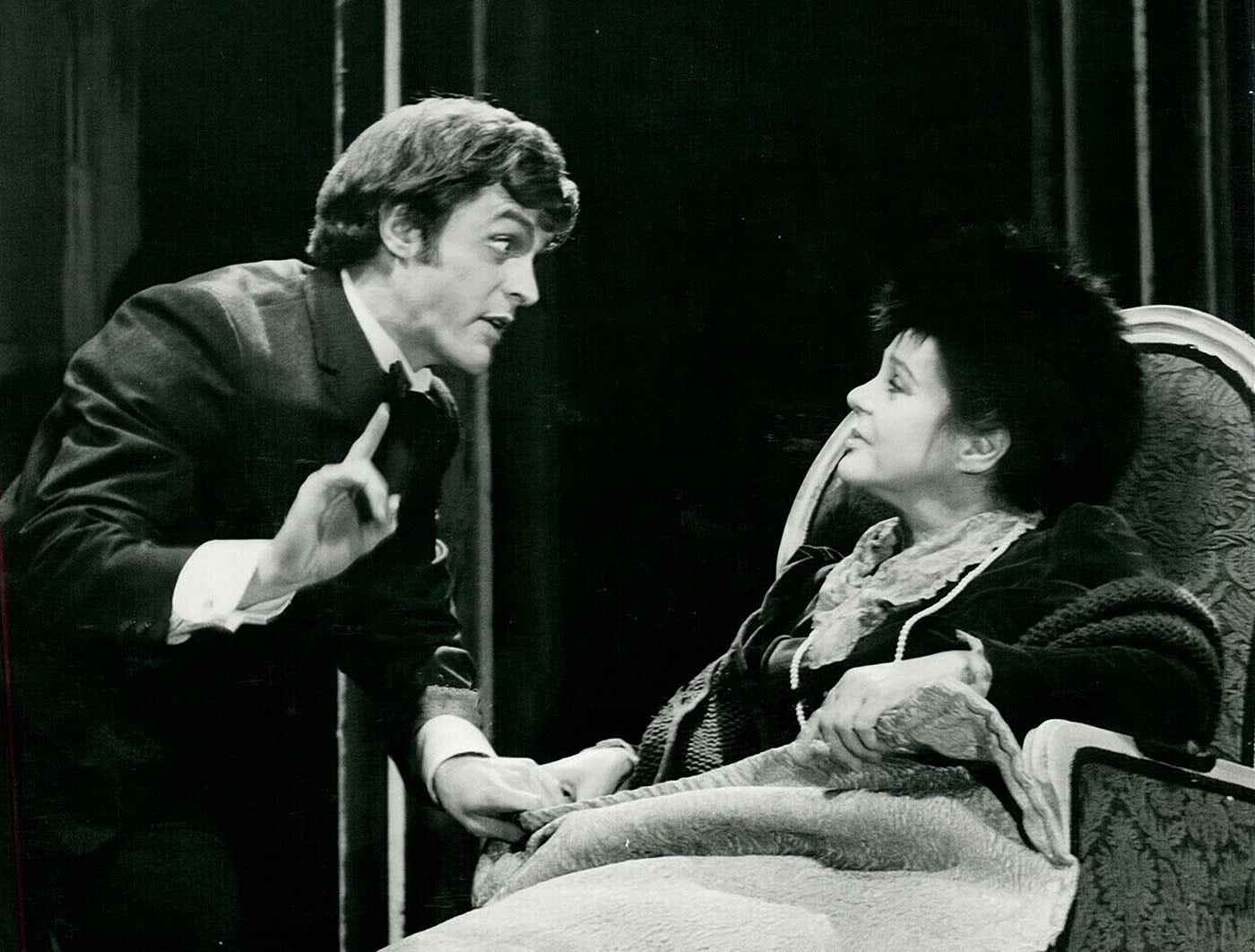
I invited them out and gave them a little tour of the town. I took them to Middleton Plantation. I remember being there, and a couple of times when I was alone with Curt, I felt—well, I won’t say he was coming on to me—but he would smile at me in a way that was, at the very least, distracting. Mostly, though, it was just three friends getting to know each other.
They invited me to come see their play in Atlanta. I didn’t know what my lodging situation would be, but when I got there, it turned out I’d be staying at Curt’s apartment.
He had a party while I was there—a cast party, for The Cherry Orchard. And I remember being struck that night, watching people gather, by what a rare and wonderful thing it was to see actors in their natural habitat. They laughed together—men and women all having fun. It was nothing like anything I’d ever seen back in North Carolina. They felt connected to each other in a way I couldn’t quite fathom. They worked together, played together, and loved each other.
I still wasn’t sure whether Curt and Barbara were a couple until that night, when he very gently took me into his bedroom. Up until that point, I had only had random, anonymous encounters on the Battery in Charleston. I wasn’t comfortable with my sexuality. It was something that happened in the dark of night, and that was that. Curt was the first man who made me feel like it was something to celebrate. And he did that very effectively that night in his bedroom.
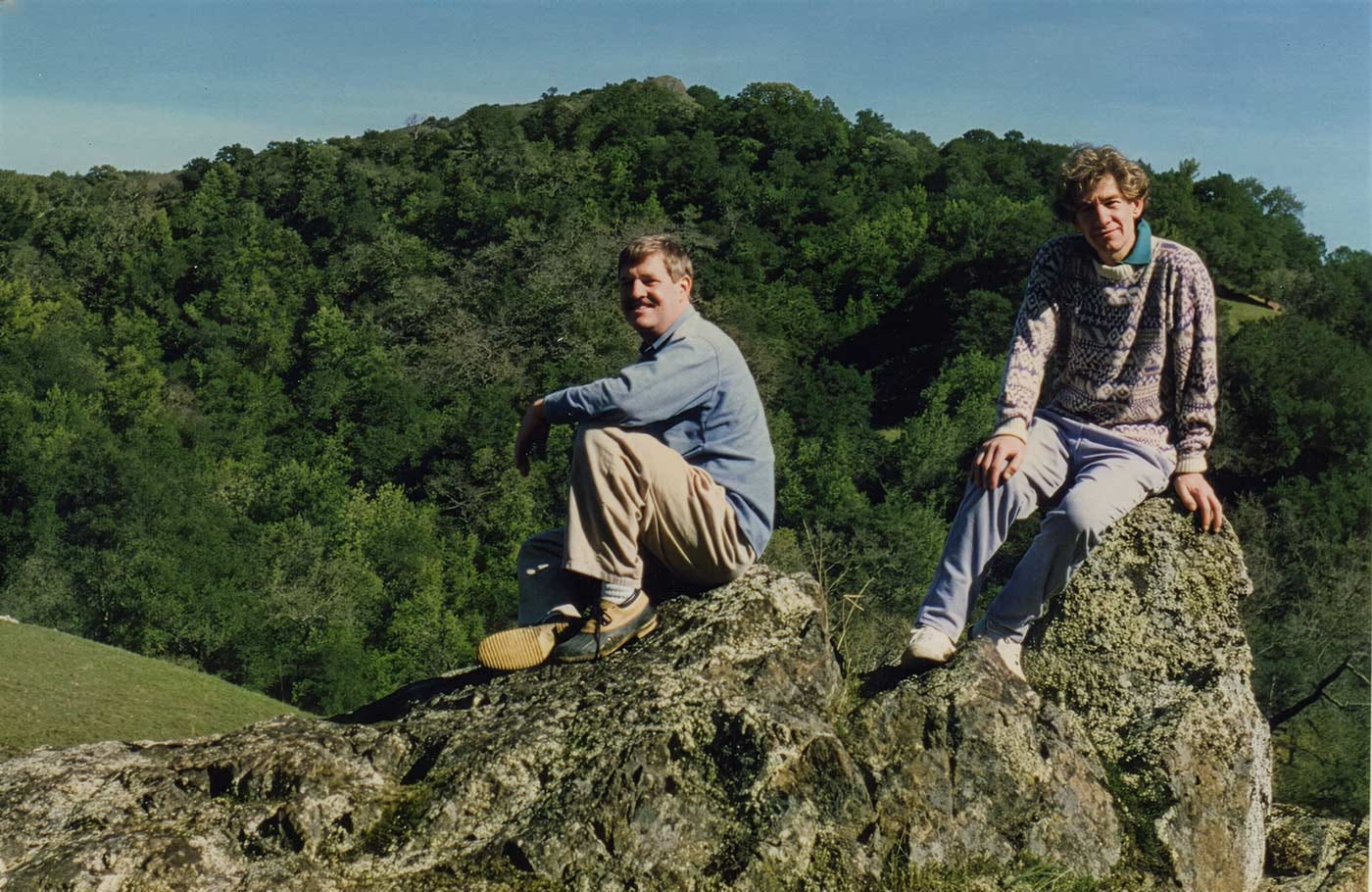
After that, Curt and Barbara invited me to go with them to a cabin in North Georgia. I can’t remember exactly where it was, but it was a sweet, private, wooded place. Curt had an amazing appreciation of nature. Not in a scholarly way—he wasn’t a botanist—but he would stop and really look at something beautiful and absorb it. I saw him do that many years later in California as well.
I realized I was really falling for him—seeing him as someone who could be permanent in my life. I had never felt that way about any man before, certainly not the ones I met on the Battery.
So I fell head over heels. And he had to let me down gently. He said, essentially, “We’re having fun—but you don’t love me.”
He then said something to me that has stuck with me since: “Don’t worry about it. You’re just a young queen, and I’m an old queen.” He was 33 and I was 27—it was ridiculous, really. But I understand now what he meant. He had experience; he’d been in New York. I had none. So naturally, I thought the first gorgeous man who was nice to me must be the one.
I was heartsick for a while, but I got over it. I went to visit him in New York, and by then it was clear we were friends. I accepted that, because I wanted to know him. I wanted to be in his life.
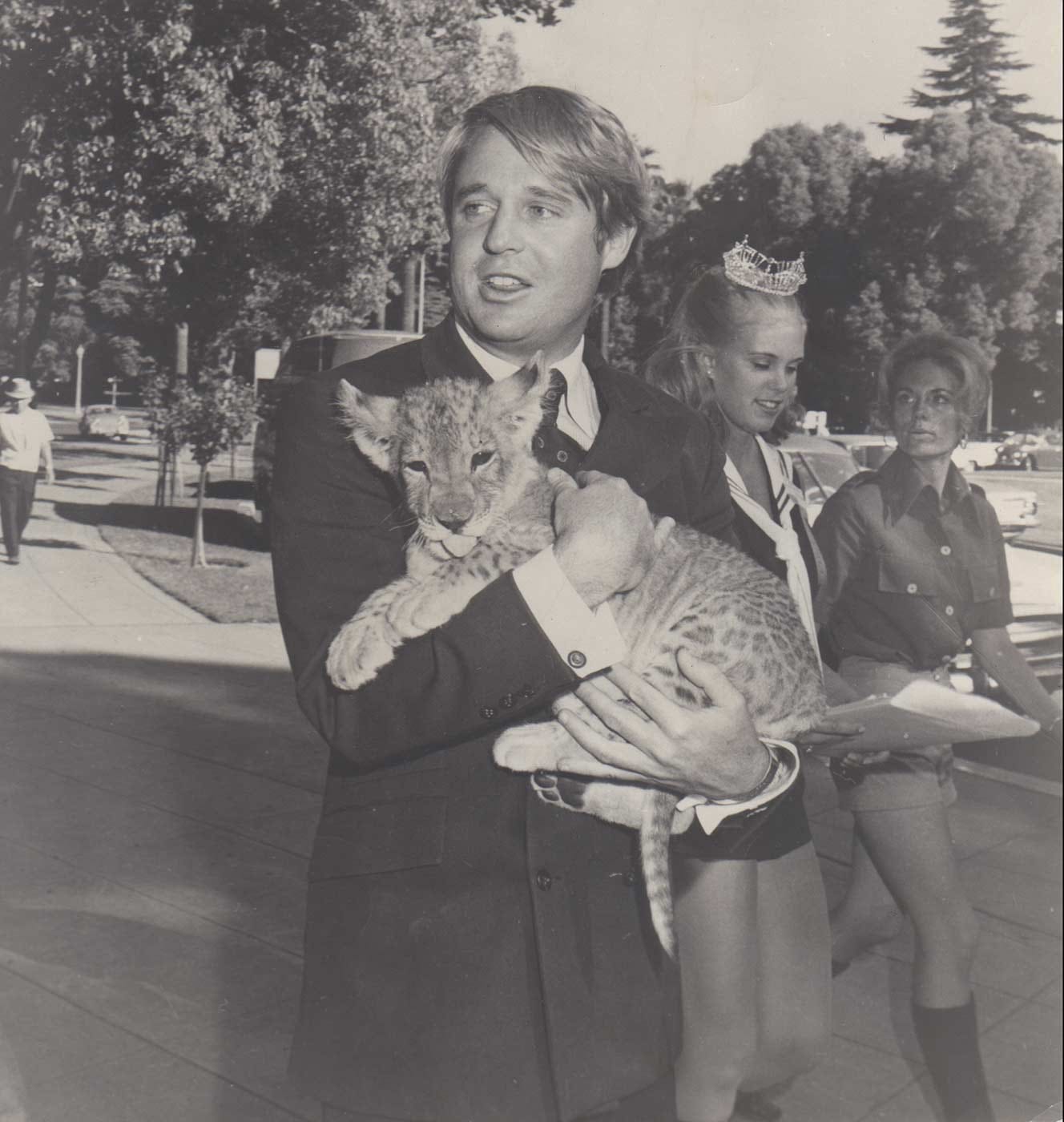
Not long after, I moved to San Francisco. He came to visit me there, and we took a trip to the Russian River. We stayed in a lodge that was known for people parking up above and picking each other up. We had a great time—just hanging out as friends.
We stayed in touch over the years. I even saw him in After Dark magazine—a theatrical magazine with a very queer flavor. An older woman named Norma McLean Stoop interviewed him, and she was obviously as taken with him as I had been.
I found the magazine at my corner store in San Francisco, and it made me feel like he was still part of my life. We’d talk on the phone occasionally. I would get a report on what he was doing and the soap operas he was working in, as well as the serious theatrical ventures. He was mostly a stage actor, but he made his bread and butter doing soap operas.
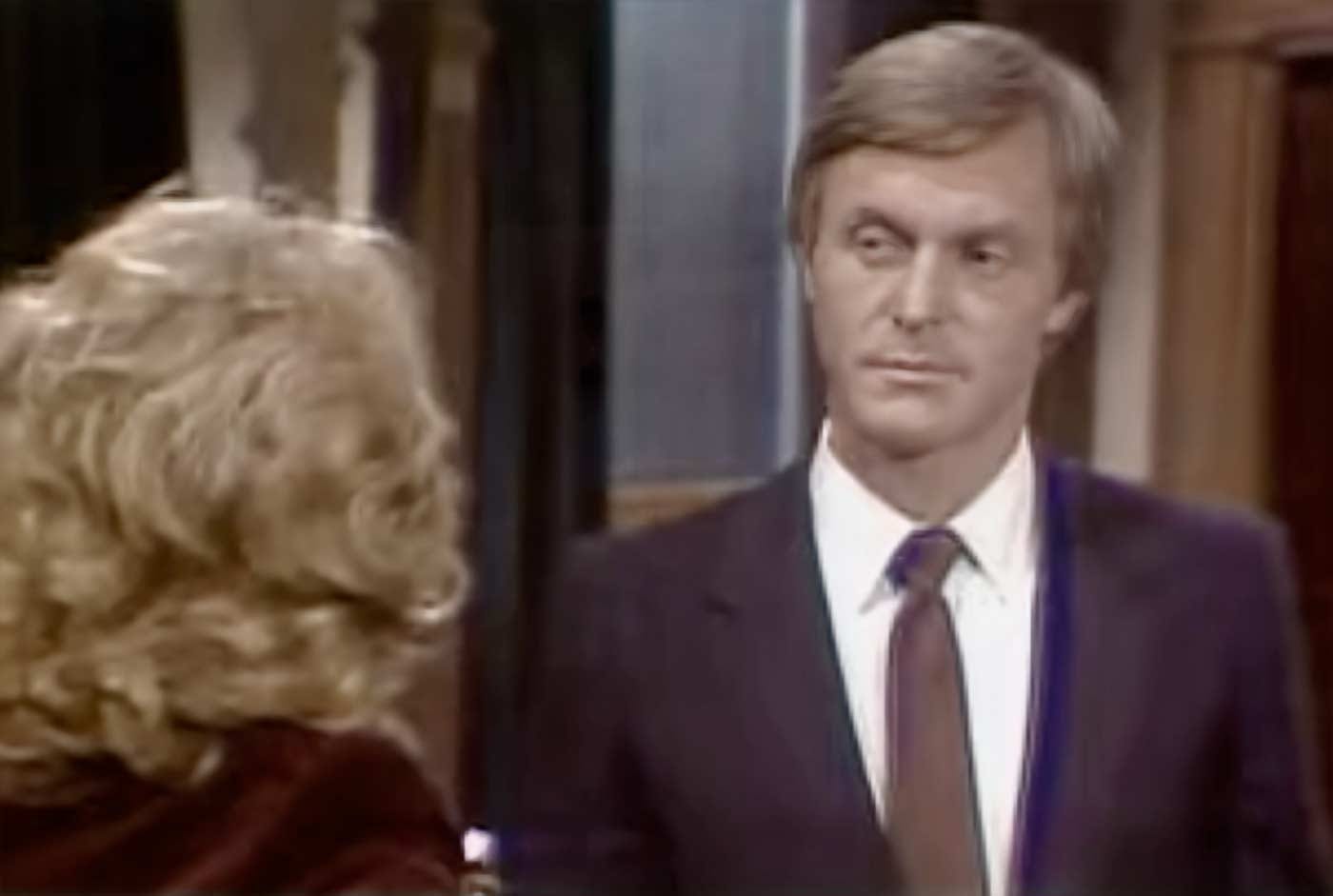
Sadly, he died of AIDS in 1985.
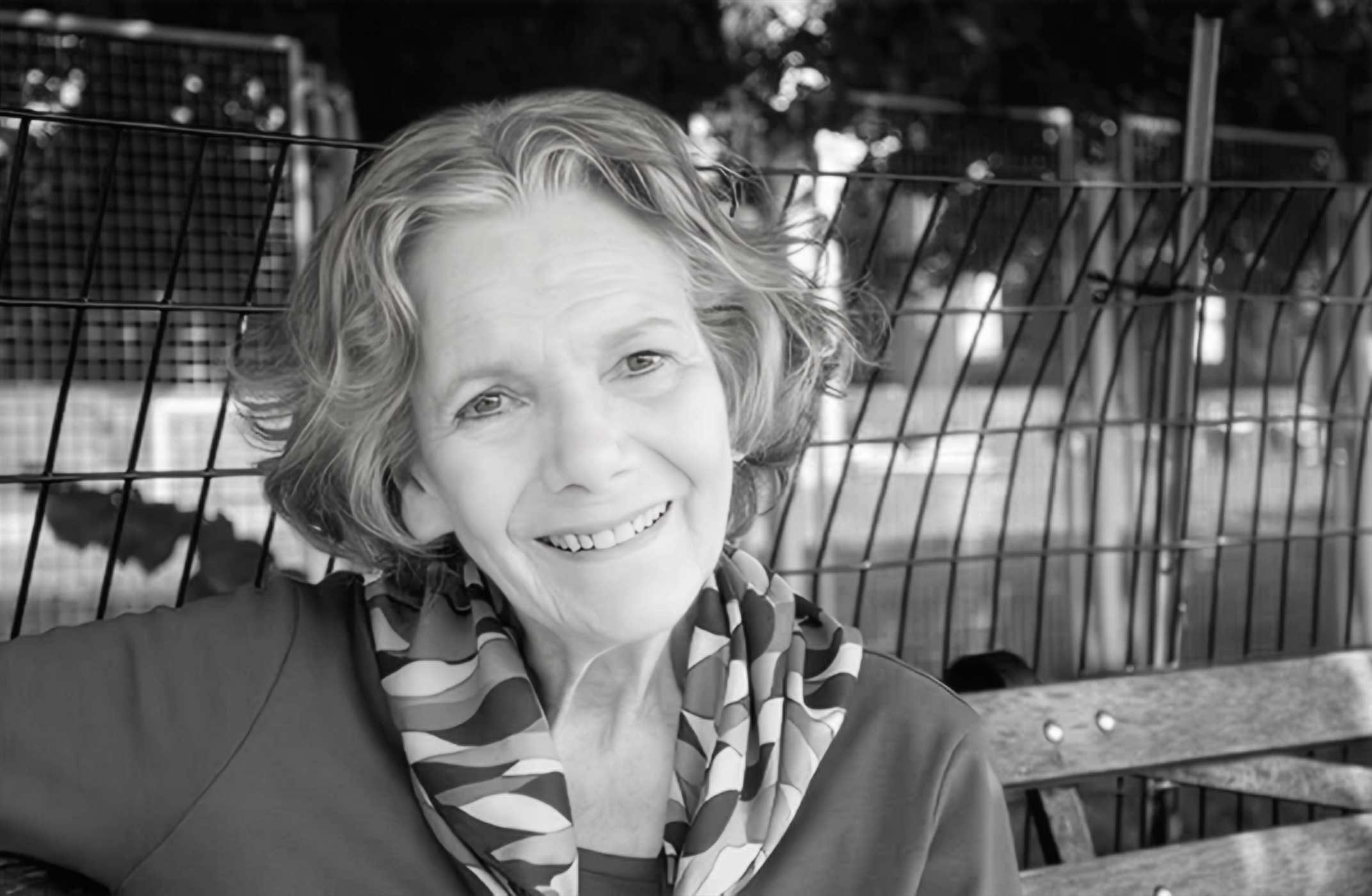
Years later, I spoke with Barbara, who told me about the end. When he was too weak to get out of bed, she came to him and said, “Come on, darling, we’ve got to go to the hospital.” It was said in a very loving and resigned way that seemed totally like her and totally like him as well. I love knowing that she was with him—that he had a great old friend to be with him at the moment he left the world.
In 1994, I was at Stonewall 25 in New York. Ian McKellen was performing a show called A Knight Out, reminiscing about his life. I’d known Ian since the ’80s, so it was quite a shock when he spoke about Curt Dawson as someone he had fallen for when he was young.
Ian had met him when he was just out of Cambridge, and Curt was just out of RADA. They’d done an amateur production together. This was before Ian was getting any professional work. Ian really fell for this all-American boy from Kansas—Russell, Kansas—and said Curt had serenaded him with “Everything’s Coming Up Roses.” It had an effect. He’d been completely charmed by him and I think he fell in love with him for a brief time.
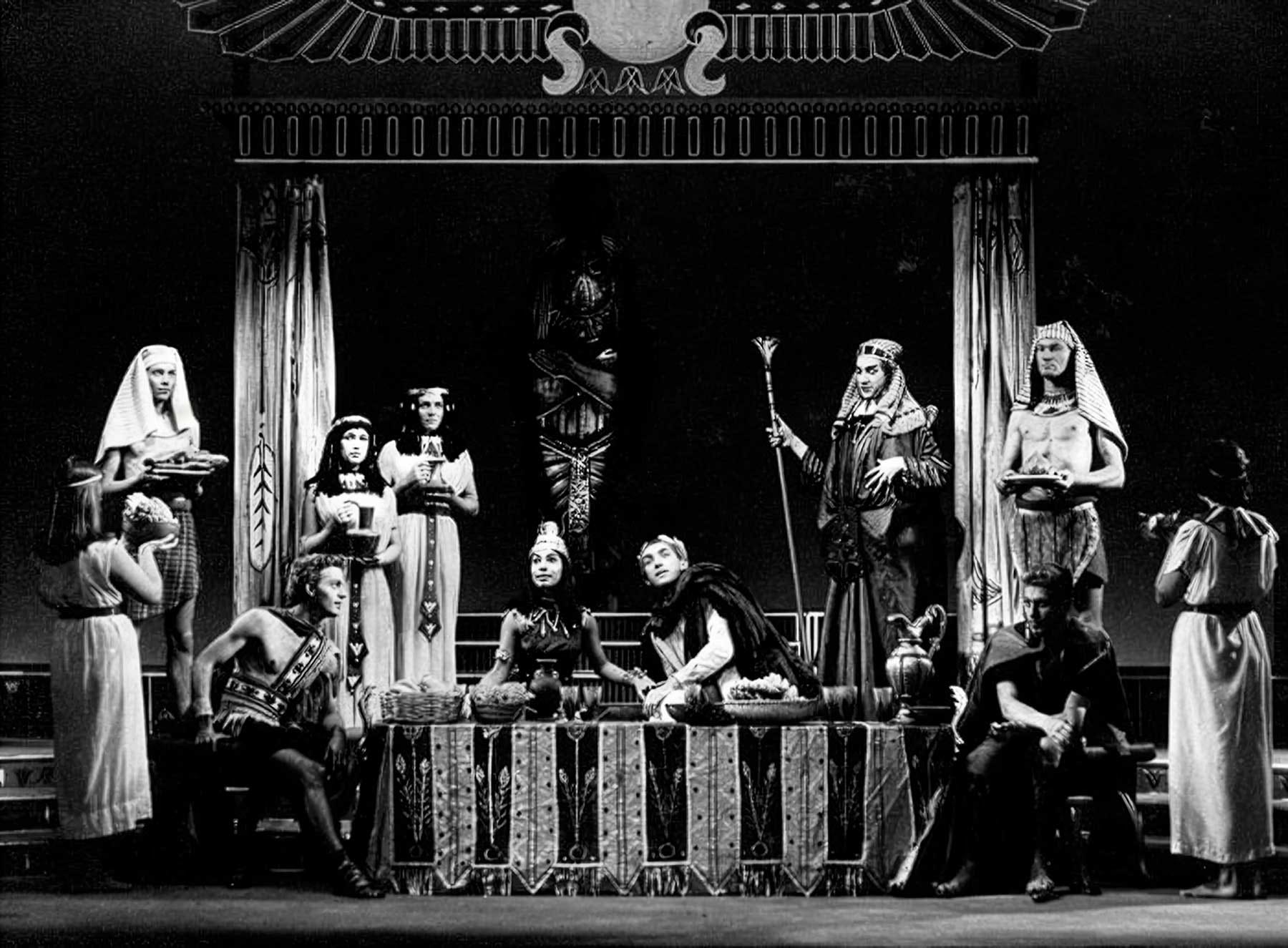
After the show, I went backstage and said, “I can’t believe it—Curt Dawson—we have that in common.” And Terrence McNally, the famous playwright who was there in the room too, said, “Oh yes, me too.” Meaning he had also been smitten with Curt.
After that, we jokingly referred to Curt as “Lover Zero,” because everything seemed to trace back to him. He broke a few hearts along the way, but never in a way that would be considered cruel. It was always done with love and tenderness.
I’m so grateful to Curt, all these years later, because he opened my heart to the possibility of love. The fact that he did that for others too only confirms what a wondrous soul he was.
I’m so happy he helped me move beyond the sense of shame, the thing that I had lived with since I was a boy. And of course, San Francisco helped me put an end to that once and for all when I arrived there shortly thereafter.
Thank you for coming along today and listening to me ramble. I really appreciate it—and I hope I’ll see you next time.
I don’t know the credit for some of the images in this post—if you know the source or are the photographer, please let me know. Thanks, Chris


